Home Maintenance That Should Be Carried Out Annually
Maintaining a property in good condition requires a consistent approach to resolving small issues before they become expensive problems. A schedule of annual home maintenance tasks allows homeowners to protect their investment and ensure their environment remains safe. By setting aside time once a year to assess the structural integrity, mechanical systems, and exterior elements of a residence, individuals can avoid unexpected breakdowns. Taking preventative action is more cost-effective than paying for emergency repairs.
Inspect the roof and clear the gutters
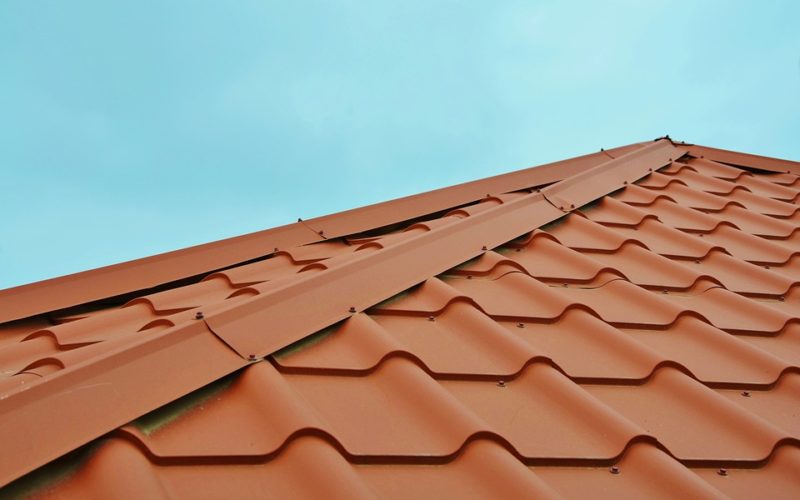
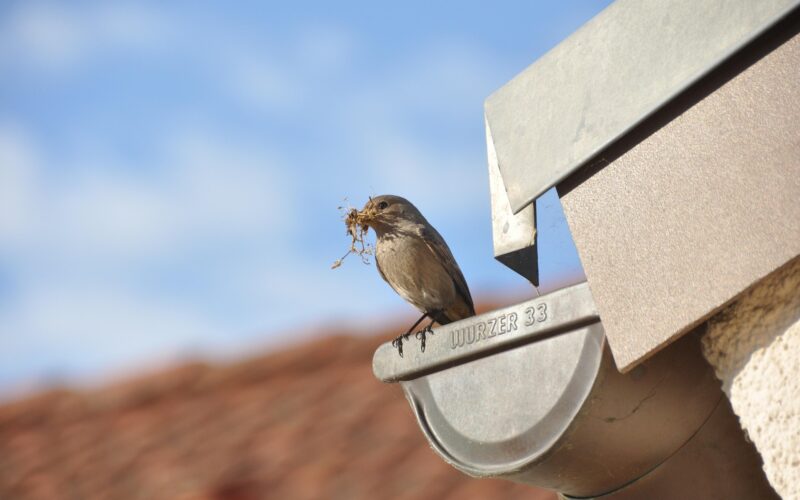
The roof is a property's primary defence against the elements, making its yearly inspection an absolute necessity. Homeowners should look for cracked, missing, or slipping tiles, as well as any signs of wear around chimneys and vents, which might indicate potential areas for water ingress. In conjunction with roof checks, clearing out gutters and downpipes ensures that rainwater can flow away from the building freely. Blocked gutters often cause water to spill over the sides, leading to dampness in the walls and potential foundational issues over time, especially during heavy British downpours.
Service the boiler and heating system
A functional heating system is essential for surviving the colder months, and an annual boiler service by a qualified engineer guarantees its efficiency. During a service, a professional checks for carbon monoxide leaks, cleans internal components, and ensures optimum pressure. Bleeding radiators releases trapped air, ensuring they heat evenly and reducing overall strain. This habit lowers energy bills and extends the lifespan of the boiler.
Check doors, windows, and exterior brickwork
The exterior shell of a home requires just as much attention as its internal systems. Inspecting the seals around windows and doors helps to identify draughts that compromise energy efficiency. Replacing worn weather stripping is a straightforward task that makes a noticeable difference to indoor comfort. Similarly, examining the exterior brickwork for damaged mortar, known as repointing, prevents moisture from penetrating the cavity walls. Small cracks should be sealed promptly, as freezing temperatures can cause trapped moisture to expand and inflict significant structural damage to the property if left unaddressed.
Test smoke alarms and carbon monoxide detectors
Safety devices require regular attention to ensure they function correctly when needed most. Although it is advisable to test smoke and carbon monoxide detectors monthly, the annual maintenance schedule should include replacing the batteries in all units across the house, unless they are hardwired or feature ten-year sealed batteries. Furthermore, the devices themselves should be dusted and vacuumed to remove any debris that might interfere with their sensors. Replacing detectors that have exceeded their recommended lifespan is also a critical part of this yearly safety review, safeguarding the household against invisible hazards.
Maintain plumbing fixtures and inspect for leaks
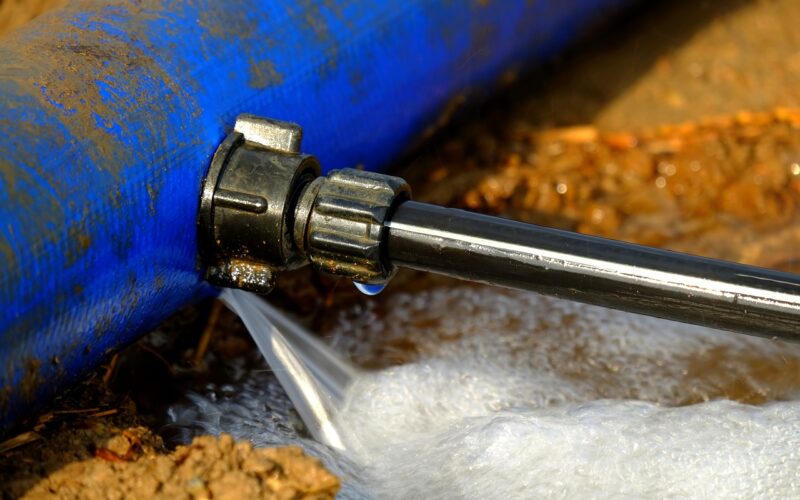
Hidden water leaks are notorious for causing extensive damage before they are ever discovered. An annual plumbing inspection involves checking all visible pipes, under-sink cabinets, and the areas around toilets and baths for signs of moisture, mould, or water stains. Dripping taps and running toilets should be repaired promptly to prevent water wastage and reduce utility bills. Additionally, flushing the water heater removes sediment build-up, which can impair the unit's efficiency and eventually cause the tank to rust and leak. Catching these plumbing issues early saves substantial amounts of money and prevents disruptive structural water damage.
Looking ahead to a well-maintained home
Completing these simple annual maintenance tasks provides peace of mind and significantly reduces the likelihood of facing major household emergencies. While some jobs might require the assistance of a certified professional, the majority of visual inspections and minor repairs can be managed independently. By committing to this proactive approach every year, homeowners preserve the value of their property, enhance its daily operational efficiency, and create a safe, welcoming environment for themselves and their families. Regular upkeep simply translates to a happier, healthier, and much more resilient home.